July 2026 – Lily refuses to let traditional boundaries define her potential. A recent Wright State graduate from Montgomery County, Maryland, Lily has successfully turned her passion for disability rights and community support into a stepping stone for her future. She is currently earning valuable experience through a meaningful internship. With the right mix of personal determination, strong family support, and targeted assistance from the Maryland Division of Rehabilitation Services (DORS), Lily is paving the way for future self-advocates.
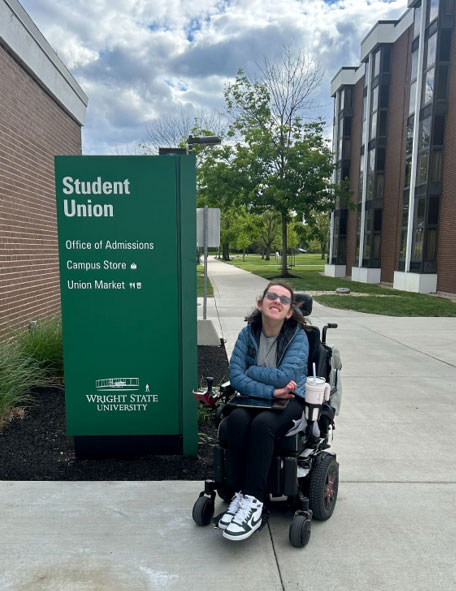
Finding the Right Support: The Journey to College
Navigating the transition from high school to post-secondary education can be challenging for any student, but for a student with a physical disability requiring attendant care, the hurdles can feel immense.
Initially learning about DORS through her high school transition team, Lily’s true breakthrough came when she connected with DORS rehabilitation supervisor Frank Fomba. Mr. Fomba fostered Lily's academic goals and capabilities and shared her vision for higher education.
"Mr. Fomba truly stepped up to the plate," Lily’s mother shared during an interview. "He supported the college route for Lily and worked tirelessly to ensure DORS could approve the critical attendant care services she needed to live independently on campus."
Because very few universities nationwide offer robust, integrated personal attendant care programs, finding the right fit was paramount. Thanks to this support, Lily was able to live independently and attend Wright State University in Ohio, an institution renowned for its inclusive campus and dedicated disability support systems.
Thriving on Campus and Beyond
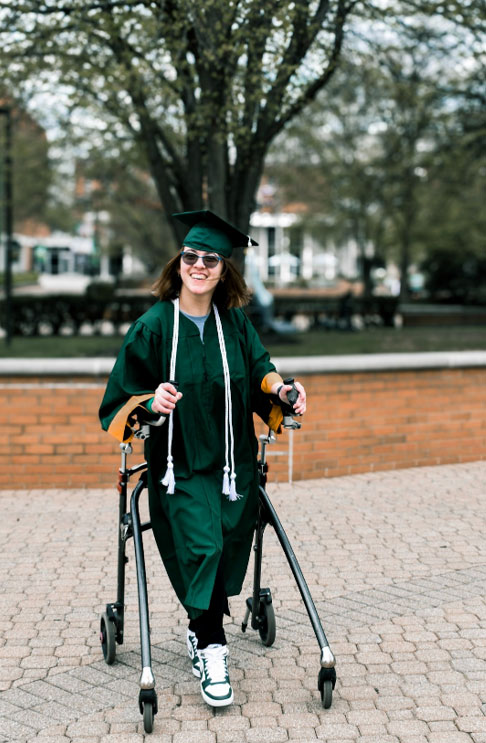
At Wright State, Lily didn't just attend classes; she became a pillar of the campus community. She embraced her independence, living in her own dorm room with the structured assistance of aides. During her time at university, Lily achieved remarkable milestones, ultimately graduating with a Bachelor of Arts in Social Work. Her leadership shone brightly as she served two years as the President of Abilities, a prominent student-led disability advocacy organization on campus.
Lily also actively gained hands-on experience by completing a rigorous, 15-hour-per-week senior practicum at the university's Student Wellness and Advocacy Center, where she provided vital case management and emotional support to peers navigating financial and personal hardships. Her journey even took on a global perspective when she participated in a 10-day accessible study abroad program to Berlin, Germany. Alongside the university’s Director of Disability Services, she analyzed and compared international accessibility standards with those of the United States, further fueling her dedication to the field.
Research, Advocacy, and the Next Step
Lily is already channeling her social work education into tangible professional impact. She is currently completing her second summer in a prestigious, paid remote internship with the Gregory S. Fehribach Center at Eskenazi Health.
Working closely with the research team, Lily has been investigating the "disabled experience," specifically focusing on post-high-school transition data. Her duties have included designing comprehensive surveys for her internship cohort, building educational presentations, and evaluating the systemic impact of Social Security benefits and employment incentives.
Looking ahead, Lily plans to re-engage with DORS employment services to secure a permanent role within the disability rights and advocacy ecosystem. She aims to land a dream job utilizing her research and professional skills to champion systemic change for individuals with disabilities.
Words of Wisdom for Future Consumers
When asked what advice she would give to other young adults with disabilities who are considering college or entering the workforce, Lily’s message was clear and empowering:
"Don't be afraid to think outside the box. You have to advocate for yourself,
tell people what you want, and fight for your goals."